Book Appointment Now
How Stress Impacts Women’s Hormones and Overall Health
- On
- InUncategorized
Stress impacts on women hormones in ways many women do not notice at first. It can affect periods, sleep, mood, fertility, pregnancy, and menopause.
At Aditri Clinics, Somajiguda, Dr. Shalini B helps women understand these changes early, so they can get the right care before the problem grows.
Stress is not “just in the mind.” When the body feels pressure, it releases stress hormones that make you alert and ready to act. In the short term, this helps.
But when stress stays for too long, it can disturb the balance of other hormones and affect overall health.
At Aditri Clinics, Somajiguda, women can get care under one roof for pregnancy care, high-risk pregnancy, infertility, PCOS management, laparoscopic surgery, menopause care, and general gynaecology.
Dr. Shalini B, with 12+ years of experience and 10,000+ patients treated, leads this care with a clear women’s health focus.
What stress does inside a woman’s body
Stress impacts on women's hormones: the first changes
When stress starts, the brain sends a signal to the adrenal glands to release hormones like cortisol.
Cortisol is often called the stress hormone. It helps control blood sugar, metabolism, inflammation, blood pressure, and even how the body reacts during pregnancy.
Stress hormones can also raise heart rate and blood pressure.
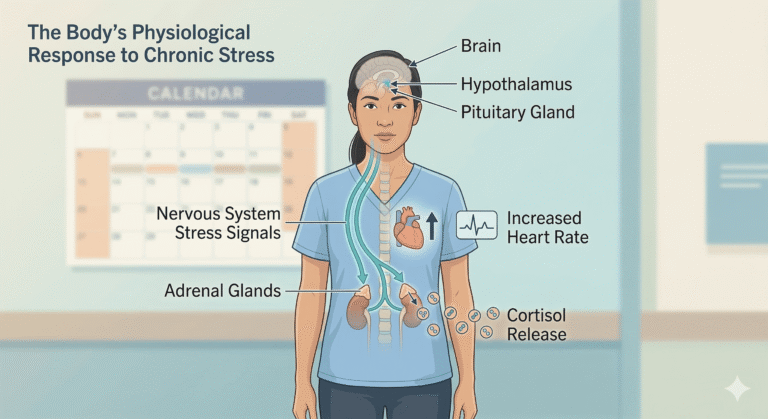
That is why stress impacts on women hormones far beyond mood.
A woman may feel tired, tense, irritable, or “not like herself.” Over time, the body may keep acting like it is in danger even when it is not.
That can slowly affect day-to-day health.
Why the whole body feels it
Stress can affect the nervous system, digestion, sleep, energy, focus, and emotional balance.
It can also affect hormones linked to mood and reproduction.
In women, long-term stress can become a full-body issue, not just a mental one.
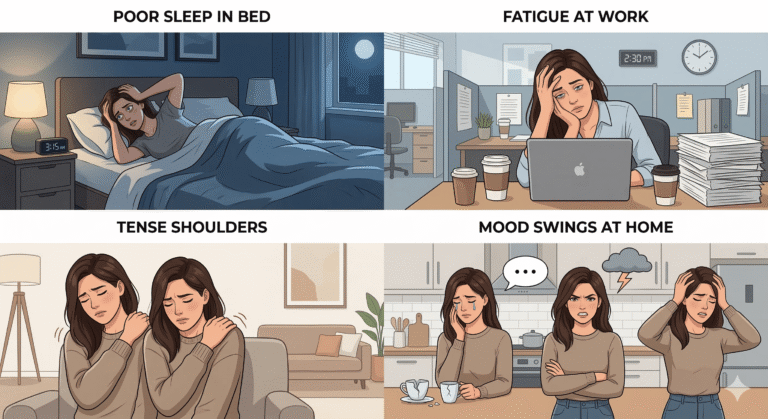
This is one reason women should not ignore repeated symptoms like poor sleep, sudden weight changes, low energy, or frequent mood swings.
These signs may look small, but they can point to a bigger hormone imbalance.
Stress impacts on women hormones often first shows up as “small” changes that repeat again and again.
Stress impacts on women hormones in periods, fertility, and PCOS
Irregular periods and ovulation changes
High cortisol levels can contribute to changes in a woman’s menstrual cycle and libido.
Research also suggests that stress may interfere with ovulation and may be linked with a longer time to pregnancy in some women.
Stress is not the only cause of fertility problems, but it can add another layer of difficulty.
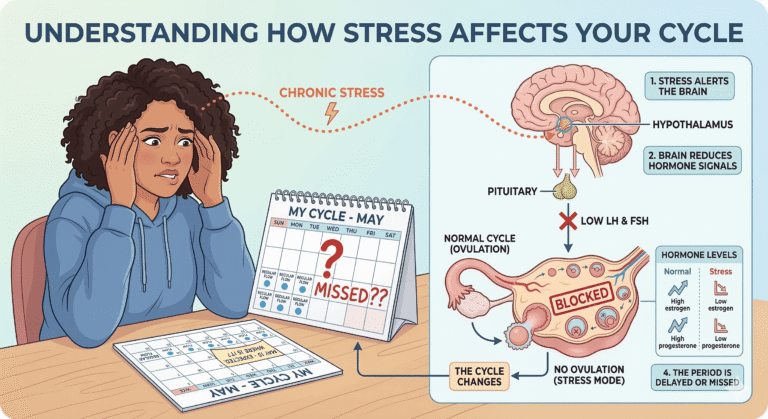
This is why stress impacts on women hormones often shows up as late periods, skipped periods, or cycles that feel harder to predict.
If this happens often, it is worth checking for hormone issues, thyroid problems, PCOS, or fertility-related concerns.
At Aditri Clinics, Dr. Shalini B can help women look at the full picture, not just one symptom.
Stress and PCOS symptoms
PCOS is a common women’s health condition.
ACOG notes that irregular menstrual periods can lead to infertility, and some women with PCOS develop many small fluid-filled sacs in the ovaries.
Women with PCOS often also face irregular cycles, acne, unwanted hair growth, weight changes, and trouble conceiving.
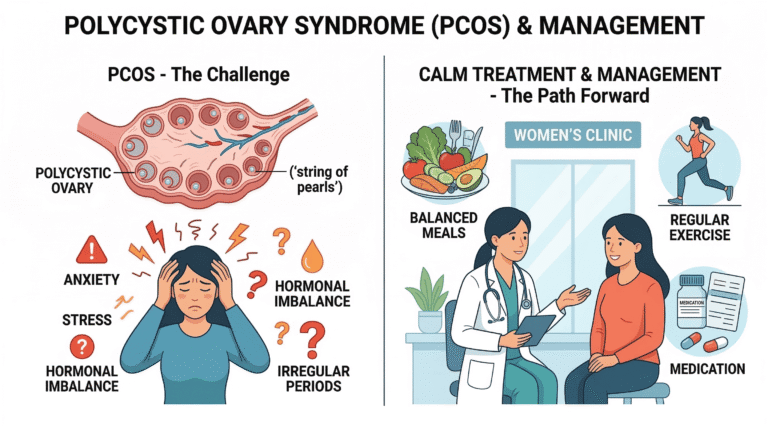
Stress does not “create” PCOS by itself, but it can make the day-to-day experience harder.
Poor sleep, emotional strain, and unhealthy routines can make symptoms feel heavier.
This is another way stress impacts on women hormones in real life: it can worsen what is already unstable.
A structured plan from a gynaecologist can make a major difference.
Stress impacts on women hormones during pregnancy and menopause
During pregnancy
Some stress during pregnancy is normal.
NICHD explains that pregnancy changes hormones and mood, but too much stress can lead to trouble sleeping, headaches, loss of appetite, or overeating, which may affect both the mother and the baby.
Cortisol also rises naturally during pregnancy and plays a role in the baby’s growth and development.
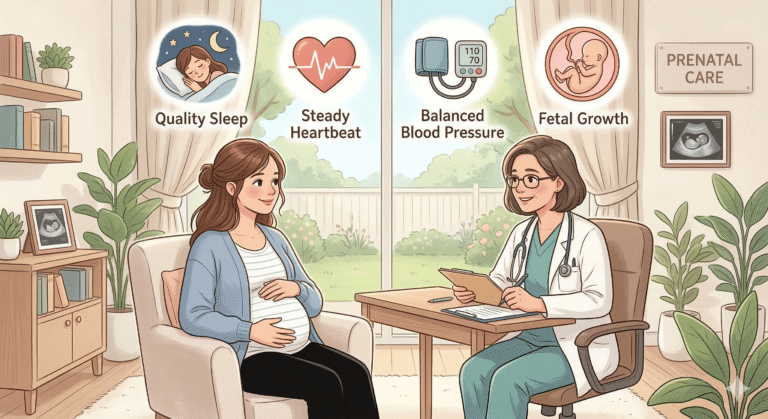
This is why sstress impacts on women’s hormones matters even more in pregnancy.
A woman who is already dealing with anxiety, poor sleep, or constant worry may need extra support, especially if she is pregnant for the first time or has a high-risk pregnancy.
At Aditri Clinics, Dr. Shalini B provides pregnancy and high-risk pregnancy care with a women-first approach.
During menopause
Menopause happens because estrogen and progesterone levels drop.
Common symptoms include irregular periods, hot flashes, night sweats, trouble sleeping, low mood, vaginal dryness, and reduced concentration.
Stress can make these symptoms feel worse, and cortisol can interfere with hormonal balance.
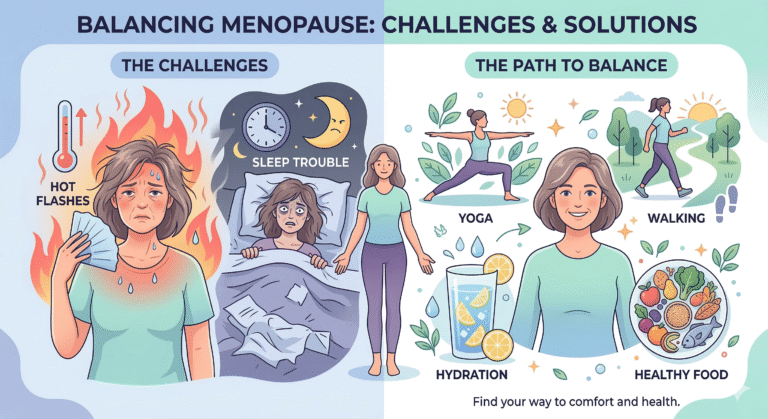
In this stage too,stress impacts on women’s hormones by adding pressure to an already changing body.
Many women feel more tired, more emotional, and more physically uncomfortable during menopause.
Good sleep, movement, and proper nutrition can help reduce the strain.
How women can reduce stress and support hormone balance
Simple daily steps that help
Exercise, sleep, breathing techniques, yoga, and meditation can all help lower stress.
CUH and MedlinePlus both note that regular movement and healthy routines support menopause symptoms and can reduce the effects of stress on the body.
A steady sleep schedule, good food choices, and less caffeine late in the day can also help.
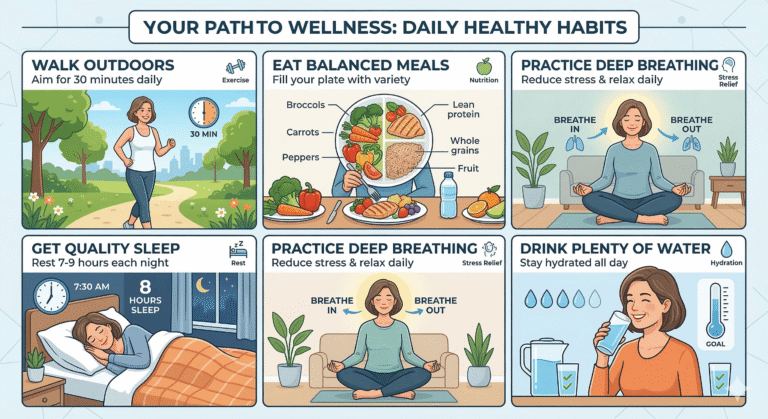
At a practical level, this means:
sleep and wake at the same time daily
walk or do light exercise most days
eat regular meals
drink enough water
reduce screen time before bed
ask for help when stress feels too heavy
These steps will not solve every hormone problem, but they can support treatment and improve comfort.
This is another reasonstress impacts on women’s hormones should be treated early, not ignored until symptoms become severe.
Why Aditri Clinics in Somajiguda is the right place for women’s hormone care
Aditri Clinics focuses on women’s health in Somajiguda, and that matters because hormone issues are often personal, confusing, and layered.
Dr. Shalini B offers care for pregnancy, high-risk pregnancy, infertility, PCOS management, laparoscopic surgery, menopause care, and general gynaecology.
That means women can get one clear plan instead of searching from place to place.
When stress impacts on women’s hormones, the best result comes from proper evaluation, not guesswork.
A consultation can help identify whether the issue is stress alone or stress plus a deeper condition like PCOS, perimenopause, pregnancy-related changes, or another hormone imbalance.
Dr. Shalini B’s experience helps women get that clarity faster.
When to see a gynaecologist
Book a visit if you notice these signs
If periods become irregular, sleep gets worse, mood stays low, fertility is delayed, or menopause symptoms feel hard to manage, it is time to speak with a gynaecologist.
If stress is affecting your daily life, it deserves medical attention, not just patience.
The Endocrine Society notes that cortisol changes can affect menstrual cycles, libido, mood, and overall well-being, so these symptoms should not be brushed aside.
Aditri Clinics, Somajiguda, gives women a private and supportive setting to discuss these concerns.
Dr. Shalini B can guide the next step, whether that means tests, lifestyle changes, or treatment.
Summary
Stress impacts on women hormones in many ways.
It can affect periods, ovulation, fertility, pregnancy, mood, sleep, PCOS, and menopause. Small symptoms can grow into bigger problems when stress stays for too long.
The good news is that women do not have to manage this alone.
At Aditri Clinics, Somajiguda, Dr. Shalini B offers trusted women’s health care in one place, with clear guidance, proper evaluation, and treatment made for each stage of a woman’s life.